
There are some events where you attend simply to witness what is happening, and then there are those where you leave feeling as though you have been given a deeper understanding of the people, stories, and artistry behind the music. Sony Music’s exclusive music celebration at The Artistry in Sandton was certainly the latter. The evening brought together an exciting mix of established South African talent, emerging musical voices, and international artistry, creating a space where music history, reinvention and new beginnings could all exist under one roof.
Celebrating 25 Years of Judith Sephuma’s A Cry, A Smile, A Dance
The evening began with a fascinating conversation between the Sony Music team and one of South Africa’s most respected vocalists, Judith Sephuma. Judith has built an extraordinary career over more than two decades and is widely recognised for her contribution to South African jazz, Afro-soul and gospel. Her breakthrough came with her debut album, A Cry, A Smile, A Dance, released in 2001. The album became a major success, achieving triple-platinum status and establishing Judith as one of the country’s most distinctive voices. Twenty-five years later, that debut continues to resonate. One of the most beautiful examples of that longevity is “Iya Iyo”, a song that has now been given an entirely new life through a series of contemporary remixes by C-Blak, Stixx and Shazmicsoul. The Iya Iyo (Remixes) EP features the original recording alongside the three new interpretations and was released to coincide with the 25th anniversary of A Cry, A Smile, A Dance. What makes the project particularly special is that these three producers grew up listening to Judith’s music. They were fans of “Iya Iyo” long before they were established artists themselves, making the collaboration a genuine passing of the musical baton from one generation to another.
Judith Sephuma: A Legacy That Continues to Evolve
Judith Sephuma’s career has always been about evolution. From her jazz roots to her exploration of Afro-soul and gospel, she has consistently demonstrated an ability to move between musical worlds while retaining the vocal identity that has made her so recognisable.
Her debut album introduced audiences to a sophisticated blend of jazz, African storytelling, and soul, and included songs that would become enduring favourites. “Iya Iyo” has remained particularly important to Judith, becoming a song she has continued to perform throughout the past 25 years. Listening to Judith speak about the journey behind the song at The Artistry was therefore incredibly special. This wasn’t simply a conversation about a remix — it was a conversation about legacy, longevity and what happens when music created one generation ago becomes the inspiration for another.
C-Blak, Stixx and Shazmicsoul: Three Producers, Three Interpretations
Joining Judith in the conversation were C-Blak and Shazmicsoul, who helped take us behind the scenes of the collaboration and the creative thinking that went into reimagining such an iconic recording. C-Blak is a veteran presence within South Africa’s house music scene and a producer and label founder who has spent years contributing to the country’s electronic music culture. His approach to “Iya Iyo” was built around respecting the original while introducing his own contemporary perspective. As he explained, when working with an iconic song, the challenge is to add something of yourself while also introducing the music to a new generation. Then there is Stixx, one of the exciting young producers within the Amapiano movement. His relationship with “Iya Iyo” is particularly personal — he remembers hearing Judith’s music at home because she was his mother’s favourite artist. His remix brings the song into an Amapiano environment while retaining an appreciation for the jazz and musicality of the original. Shazmicsoul, the Daveyton-born producer, also has a childhood connection to the record. He recalls hearing “Iya Iyo” while he was still in primary school and being drawn to the production, chord progression, guitar work, and overall musicianship. Rather than attempting to recreate the original, he approached the song through what he describes as his own urban musical story. What made the conversation so compelling was hearing these artists explain that they were not simply remixing a classic for the sake of creating something new. They were approaching a piece of music that had formed part of their own musical upbringing. There was something incredibly powerful about watching Judith sit alongside artists who grew up listening to her. It was a genuine full-circle moment.
When Music Crosses Generations
The Iya Iyo project is a wonderful example of why great music doesn’t have an expiry date. A song recorded 25 years ago can still inspire a young producer in 2026. A vocal recorded at the beginning of a career can suddenly find itself sitting comfortably within the sound of a completely different musical generation. That is the beauty of collaboration. Judith, C-Blak, Stixx and Shazmicsoul represent different points on South Africa’s musical timeline, but together they demonstrate that there doesn’t have to be a divide between the past and the present. Instead, the past can become the foundation for something completely new.
Enter Teeks: A New Zealand Voice Arrives in South Africa
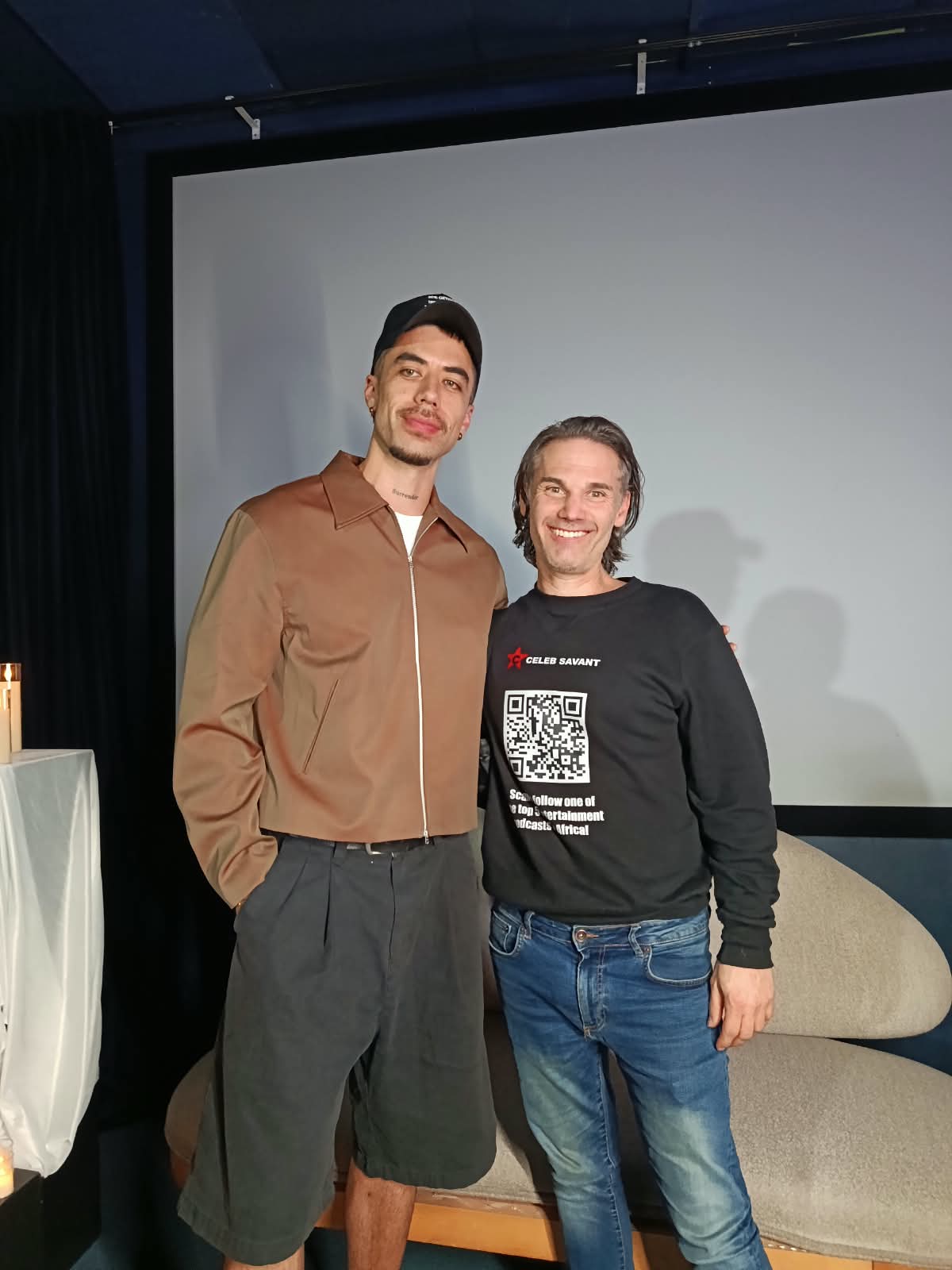
After the fascinating journey through Judith Sephuma’s musical legacy, the evening shifted gears as we were introduced to another extraordinary voice — Teeks (in the picture), who was visiting South Africa for the first time from New Zealand. The conversation was hosted by the brilliant Zanele Potelwa, who was the perfect person to guide us through Teeks‘ story and give the audience an opportunity to get to know the artist behind the music. For those who may not yet be familiar with him, Teeks is the stage name of Te Karehana Gardiner-Toi, a celebrated Māori singer-songwriter from New Zealand. He comes from Hokianga and has whakapapa connecting him to Ngāpuhi, Ngāi Te Rangi and Ngāti Ranginui. His music is deeply rooted in soul, emotion, and his Māori heritage, creating a sound that feels simultaneously intimate and expansive. Teeks first attracted major attention with his 2017 debut EP, The Grapefruit Skies, which was met with critical acclaim and introduced audiences to his distinctive, rich vocal style. His international profile continued to grow, particularly with the release of “Without You”, which helped earn him recognition from Vogue as a New Zealand soulful singer to know. One of the major milestones in Teeks’ career came with his debut album, Something To Feel, released in 2021. The album is an intensely personal exploration of love, vulnerability, emotional expression, identity, and growth. Teeks wrote and produced the album with producer and engineer Simon Gooding, using the project as a way of exploring emotions that he had previously found difficult to express. The album went on to debut at number one in New Zealand, while Teeks’ work earned him significant recognition both at home and internationally. What particularly stands out about Teeks is the connection between his music and his Māori identity. His upbringing in waiata and kapa haka helped shape his understanding of performance and storytelling, while his connection to Te Ao Māori — the Māori worldview — became an important part of his artistic expression. His music isn’t simply about singing beautiful songs. It is about vulnerability, identity, culture, and allowing people to feel.
Zanele Potelwa: The Perfect Host
Zanele Potelwa brought a wonderful energy to the conversation with Teeks. Her ability to create a relaxed environment allowed Teeks to speak openly about his career, his journey into the music industry and what it means to bring his music and culture to a completely new audience. It was fascinating to hear about his journey from New Zealand to an international stage and, finally, to South Africa for his first visit. There was also something wonderfully fitting about having Teeks‘ South African introduction take place in a room celebrating music and artistry. His story reinforces the idea that music can travel further than any artist could imagine.
Sony Music Creates a Space for Storytelling
What I particularly appreciated about Sony Music’s evening at The Artistry was that it wasn’t simply about showcasing artists. It was about telling the stories behind the music. Judith Sephuma’s conversation reminded us of the importance of legacy and how a song can continue to evolve 25 years after its original release. C-Blak and Shazmicsoul demonstrated how a new generation can take inspiration from the artists who came before them and reinterpret that music through their own creative languages. And then Teeks offered an international perspective — a reminder that great artistry doesn’t recognise borders. From South Africa to New Zealand, from jazz and Afro-soul to Amapiano and contemporary soul, the evening celebrated the incredible diversity of music and the people who dedicate their lives to creating it. It was an intimate, insightful, and inspiring evening, and a wonderful reminder that behind every song is a story, behind every artist is a journey, and sometimes the most exciting part of music is discovering what happens when those stories collide. A huge thank you to Sony Music for creating such a special evening and for continuing to create opportunities to celebrate the artistry, creativity, and stories behind the music.