
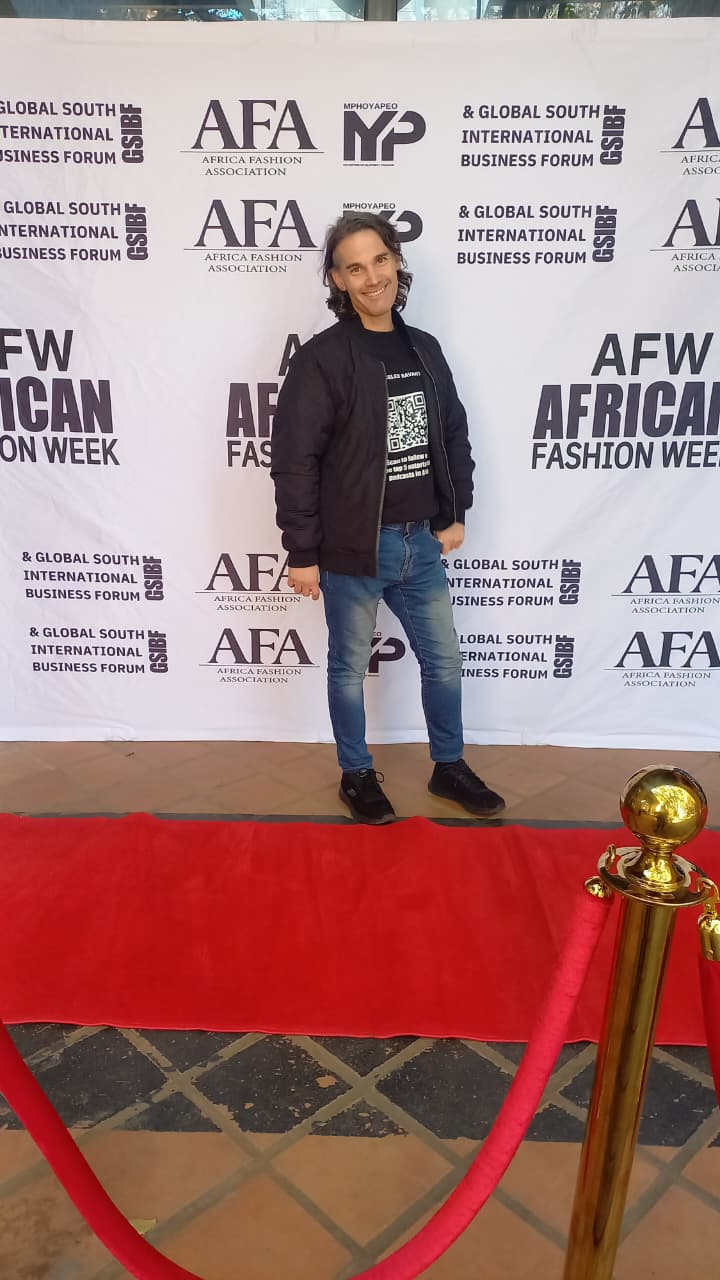
The first two (of three) days of African Fashion Week 2026 delivered exactly what the African fashion industry represents at its best — creativity, culture, innovation, sophistication, and a celebration of local talent. Covering the red carpet and showcases across the first two days was an incredible experience, not only because of the fashion on display, but because of the sense of purpose behind the event.
At the heart of it all is organiser Mpho Mogotsi, whose foresight and dedication continue to elevate the platform into more than just a fashion showcase. African Fashion Week has become a space where designers, media, creatives, and industry professionals can connect, collaborate, and grow. It is refreshing to see an event that genuinely prioritises the support and development of local designers while simultaneously creating opportunities for education within the industry.
A major highlight was the inclusion of industry panels and forums. These sessions added enormous value for attendees and emerging creatives wanting to better understand the fashion business, branding, media, and sustainability within the industry. It showed that African Fashion Week is focused not only on what happens on the runway today, but also on building the future of African fashion.
The event itself was exceptionally organised by Imani PR Management. From media coordination to the smooth flow of the red carpet and showcase transitions, the professionalism of the team was evident throughout both evenings. Covering red carpets can often become chaotic, but the structure and organisation ensured that media, guests, and designers all had the space to shine.
Day One – Bold Introductions and Strong Identity
The opening evening immediately established the tone for the week with collections that were confident, polished, and deeply expressive.
Design showcases included:
- Lufi D
- Differently
- NgÜo
- Sober Design House
Each designer brought a completely unique identity to the runway, proving how diverse and expansive African fashion has become. From structured silhouettes to flowing contemporary pieces, every collection carried a strong sense of individuality and craftsmanship. Attention to detail was evident in the tailoring, styling, fabric choices, and runway presentation.
Day Two – Sophistication and Elevated Craftsmanship
The second evening continued the momentum with another series of standout showcases that highlighted the incredible talent within the local fashion industry.
Featured designers included:
- Sorella
- Lindani Styling
- Kingdom of Daughters
- McAlpine Clothing
- Silk N Cotton
- Angalia Apparel
Every showcase felt stylish, sophisticated, and intentional. The collections balanced creativity with wearability, while still embracing bold artistic expression. The runway productions themselves were polished and immersive, helping each brand tell its own story through movement, music, styling, and design.
One of the most impressive aspects across both nights was the consistency in quality. Every designer paid close attention to detail, ensuring their collections felt complete and thoughtfully curated from beginning to end.
The red-carpet interviews provided an opportunity to connect with some of the creatives behind the collections, including Keabetswe Mogatusi of Silk N Cotton, Marguerite McAlpine of McAlpine Clothing, Lindani Ndwandwa of Lindani Styling, and Onkgopotse Mashika of Angalia Apparel and Tshepo Mafokwane from Sober Design House. I had the opportunity to conduct interviews with several creatives and guests on the red carpet, including organiser Mpho Mogotsi, Thandekile M, Scelo Pango and Katie Mohamed.
The energy on the carpet reflected the atmosphere inside the venue — vibrant, collaborative, and proudly African.
More Than Fashion
African Fashion Week is proving to be far more than a runway event. It is becoming a meaningful platform that champions African excellence, supports local entrepreneurship, and creates conversations around the future of fashion on the continent. The combination of strong organisation, educational initiatives, and world-class showcases made the first two days an undeniable success. Most importantly, the event celebrated the designers themselves — the creatives pushing boundaries and shaping the future of African fashion one collection at a time. If the first two days are anything to go by, African Fashion Week is continuing to establish itself as one of the most important platforms for fashion, culture, and creative business in South Africa. (I had another event on the third day, so I was unable to attend day 3)